exceptional founding of startup in Zug
1990-2000
Research
Hallo

2000-2010
Science
2000 Wissensaustausch mit dem Startup Unternehmen Computer Motion in Santa Barbara
2002 Wissensaustausch mit dem Startup Unternehmen Computer Intuitive Surgical in San Francisco
2004 Weltweit erste Anwendung gleicher Operationstechnik unter einem Endoskop in Tokyo und erste Präsentationen der Vision in Polen sowie u.a. in New York, San Francisco, New Orleans, Dallas, Berlin, München, Mexico City, Guadelajara, Miami
2006 Weltweit erster Beginn experimenteller Mikrochirurgie mit Roboterassistenz an Herzbypässen in Santa Barbara, Atlanta
2008 Klinische Anwendung der Forschung u.a. in Stockholm, Innsbruck, Wuppertal, München, Perugia, Rom, später Lugano
2010 Gründung einer medizinischen Praxis für Endoskopische Minimalinvasive Aesthetische, Plastische und Rekonstruktive Mikrochirurgie
2010-2020
Application

2020-2030
Adventure
2020 Justizskandal nach der europäischen Konzession für Menschenrechte aufgrund illegaler aber im regionalen Bayern rechtskräftigen Prozessverurteilung als Arzt, weil lokale Behörden und regionale Justiz die innovative Medizin des Entrepreneuers verbieten wollten, obwohl sie bereits weltweit seit Jahrzehnten erfolgreich angewandt wird und der Arzt zusätzlich auch noch dafür mehrfach mit internationalen Preisen von Facharztgesellschaften als beste Arbeit des Jahres in mehreren Ländern honoriert wurde
2022 Auftauchen von illegalen bayerischen Regierungsunterlagen, die beweisen, dass die Justiz auf Anordnung der Regierung illegal handelte und dass die deutsche Justiz vorsätzlich Dokumente über einen in Polen geborenen Arzt fälschte sowie Gelder aus dem Vermögen illegal beschlagnahmte und daraus gekaufte Zeugen für Falschaussagen vor einem indiskutablen und korrupten Gericht zu zahlen, um das illegale Urteil überhaupt begründen zu können, damit der Entrepreneur sein Startup nicht wie geplant fortführen kann
2024 Notarielle Beurkundung der Gründungsakte in Zug, Schweiz
2026 Erweiterung von Businessplänen für zu erwartende weitere Investition von 200 Mio. CHF in weiterer Finanzierungsrunde
2028 Erwartende Zulassung der Produkte für die jeweiligen Märkte
2030 Geplante Auslieferung erster Bioroboter für den medizinischen Markt mit innovativer recyclebarer und resourcennachhaltiger Humanoidtechnologie
«tell the world your little story and they will understand you»

1970-1980
Vision
As a child, we played in the adult world and didn’t understand them. The hurdles to be able to master them as children were too high. When we became teenagers, we still didn’t understand this world. It was not created for us, but created for itself by and for the generation before it. We had our own ideas of the new and our life, our own visions. We are grateful to previous generations for having built the foundation for our own developments. Human evolution continues and now, as adults, we also have the responsibility to do the same for the next generation: to allow their visions like a delicate flowering in the spring to unfold.
1980-2000
Reflection
The demands of mankind change and increase from generation to generation. There are setbacks. There are mistakes. And there are disappointments. But never in the past and future could and will visions of a generation be destroyed, prevented or forbidden. Their urge is too great. What is to the advantage of the world, nature, and people has always prevailed. Biorobotics is a natural unstoppable process of human, spiritual, material, natural evolution. This process will not be changeable. That is why we must learn to live with the Biorobotic and to treat it with respect and also to develop it in a protected manner in order to apply it to the benefit of the world.
2000-2020
Creation
Biorobotics has decisive advantages for humanity. It is specially developed for humans to make their needs easier, more pleasant and with less effort. It cannot be that after thousands of years of human social evolution, some people continue to work as slaves for others to satisfy their needs. Every person is equal. Every animal has the natural guarantee of living freely and without exploitation. That is why humanity can allow itself to develop machines from non-organic life in order to reduce the exploitation of other biological life.
2020-2040
Startup
The company’s founding has set itself the goal of being a pioneer in humanitarian evolution. It was crucial that a Swiss canton of Zug could guarantee one of the highest economic, legal and political security in today’s world, without dependence on state corruption and other ideological dead ends. The founder of biorobot.me once had to leave his country as a little Polish boy because idiots were in power in neighbouring countries and wanted to destroy human evolution out of stupidity. He then studied worldwide on almost all continents and will make its contribution to the injustice that is still present in the world today, at least with biorobots, to show new ways for the future of mankind.
exceptional founding of startup in Zug
1990-2000
Research
1990 Internationaler Beginn experimenteller chirurgischer Forschung an Universitäten u.a. in Paris, London, New York, Wien
1992 Weltweit erste erfolgreiche experimentelle Organtransplantation mit mikrochirurgischer Verbindung von Arterie, Vene, Lymphgefäss und peripherer Nerv von Menschenhand unter einem Mikroskop in München
1994 Weltweit erste Anwendung gleicher Operationstechnik unter einem Endoskop in Tokyo und erste Präsentationen der Vision in Polen sowie u.a. in New York, San Francisco, New Orleans, Dallas, Berlin, München, Mexico City, Guadelajara, Miami
1996 Weltweit erster Beginn experimenteller Mikrochirurgie mit Roboterassistenz an Herzbypässen in Santa Barbara, Atlanta
1998 Klinische Anwendung der Forschung u.a. in Stockholm, Innsbruck, Wuppertal, München, Perugia, Rom, später Lugano
2000 Gründung der weltweit ersten medizinischen Praxis für Endoskopische Minimalinvasive Aesthetische, Plastische und Rekonstruktive Mikrochirurgie in München
2000-2010
Science
2000 Wissensaustausch mit dem Startup Unternehmen Computer Motion in Santa Barbara
2002 Wissensaustausch mit dem Startup Unternehmen Computer Intuitive Surgical in San Francisco
2004 Weltweit erste Anwendung gleicher Operationstechnik unter einem Endoskop in Tokyo und erste Präsentationen der Vision in Polen sowie u.a. in New York, San Francisco, New Orleans, Dallas, Berlin, München, Mexico City, Guadelajara, Miami
2006 Weltweit erster Beginn experimenteller Mikrochirurgie mit Roboterassistenz an Herzbypässen in Santa Barbara, Atlanta
2008 Klinische Anwendung der Forschung u.a. in Stockholm, Innsbruck, Wuppertal, München, Perugia, Rom, später Lugano
2010 Gründung einer medizinischen Praxis für Endoskopische Minimalinvasive Aesthetische, Plastische und Rekonstruktive Mikrochirurgie
2010-2020
Application
2010 Internationaler Beginn experimenteller chirurgischer Forschung u.a. in Paris, London, New York, Wien
2012 Weltweit erste erfolgreiche experimentelle Organtransplantation mit mikrochirurgischer Verbindung von Arterie, Vene, Lymphgefäss und peripherer Nerv von Menschenhand unter einem Mikroskop in München
2014 Weltweit erste Anwendung gleicher Operationstechnik unter einem Endoskop in Tokyo und erste Präsentationen der Vision in Polen sowie u.a. in New York, San Francisco, New Orleans, Dallas, Berlin, München, Mexico City, Guadelajara, Miami
2016 Weltweit erster Beginn experimenteller Mikrochirurgie mit Roboterassistenz an Herzbypässen in Santa Barbara, Atlanta
2018 Klinische Anwendung der Forschung u.a. in Stockholm, Innsbruck, Wuppertal, München, Perugia, Rom, später Lugano
2020 Gründung einer medizinischen Praxis für Endoskopische Minimalinvasive Aesthetische, Plastische und Rekonstruktive Mikrochirurgie
2020-2030
Adventure
2020 Justizskandal nach der europäischen Konzession für Menschenrechte aufgrund illegaler aber im regionalen Bayern rechtskräftigen Prozessverurteilung als Arzt, weil lokale Behörden und regionale Justiz die innovative Medizin des Entrepreneuers verbieten wollten, obwohl sie bereits weltweit seit Jahrzehnten erfolgreich angewandt wird und der Arzt zusätzlich auch noch dafür mehrfach mit internationalen Preisen von Facharztgesellschaften als beste Arbeit des Jahres in mehreren Ländern honoriert wurde
2022 Auftauchen von illegalen bayerischen Regierungsunterlagen, die beweisen, dass die Justiz auf Anordnung der Regierung illegal handelte und dass die deutsche Justiz vorsätzlich Dokumente über einen in Polen geborenen Arzt fälschte sowie Gelder aus dem Vermögen illegal beschlagnahmte und daraus gekaufte Zeugen für Falschaussagen vor einem indiskutablen und korrupten Gericht zu zahlen, um das illegale Urteil überhaupt begründen zu können, damit der Entrepreneur sein Startup nicht wie geplant fortführen kann
2024 Notarielle Beurkundung der Gründungsakte in Zug, Schweiz
2026 Erweiterung von Businessplänen für zu erwartende weitere Investition von 200 Mio. CHF in weiterer Finanzierungsrunde
2028 Erwartende Zulassung der Produkte für die jeweiligen Märkte
2030 Geplante Auslieferung erster Bioroboter für den medizinischen Markt mit innovativer recyclebarer und resourcennachhaltiger Humanoidtechnologie
-
Hallo Welt!
«Like flowers that bloom in unexpected places, every story unfolds with beauty and resilience, revealing hidden wonders.»
from an unknown artist
Tell the world your story


About Us
biorobot.me is a flower delivery and subscription business. Based in the EU, our mission is not only to deliver stunning flower arrangements across but also foster knowledge and enthusiasm on the beautiful gift of nature: flowers.
Our services
Collect
Like flowers that bloom in unexpected places, every story unfolds with beauty and resilience
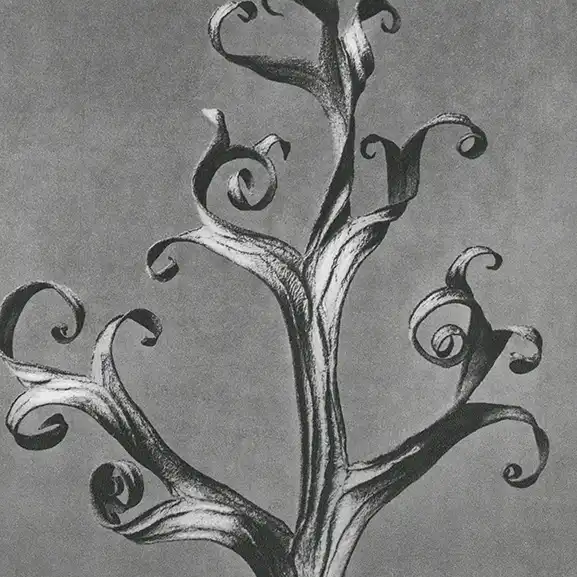
Assemble
Like flowers that bloom in unexpected places, every story unfolds with beauty and resilience
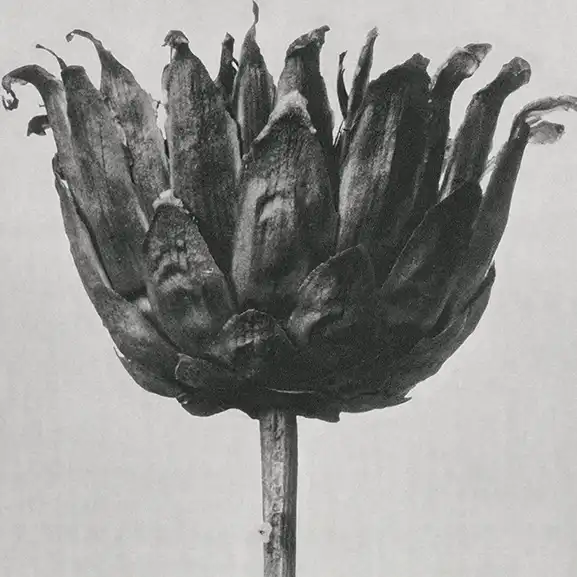
Deliver
Like flowers that bloom in unexpected places, every story unfolds with beauty and resilience
What people are saying
Jo Mulligan“Superb product and customer service!”
Atlanta, GA

Pricing
Cancel or pause anytime.
Free
0€
- Get access to our paid articles and weekly newsletter.
- Join our IRL events.
- Get a free tote bag.
- An elegant addition of home decor collection.
- Join our forums.
Single
20€/month
- Get access to our paid articles and weekly newsletter.
- Join our IRL events.
- Get a free tote bag.
- An elegant addition of home decor collection.
- Join our forums.

The Stories Book
A fine collection of moments in time featuring photographs from Louis Fleckenstein, Paul Strand and Asahachi Kōno.
Available for pre-order now.
Buy your copy of The Stories Book
Outside Europe? View international editions.
About the book
This exquisite compilation showcases a diverse array of photographs that capture the essence of different eras and cultures, reflecting the unique styles and perspectives of each artist. Fleckenstein’s evocative imagery, Strand’s groundbreaking modernist approach, and Kōno’s meticulous documentation of Japanese life come together in a harmonious blend that celebrates the art of photography. Each image in “The Stories Book” is accompanied by insightful commentary, providing historical context and revealing the stories behind the photographs. This collection is not only a visual feast but also a tribute to the power of photography to preserve and narrate the multifaceted experiences of humanity.
International editions
The Stories Book will be available from these international retailers.
What is Biorobotics?
Biorobotics
is an interdisciplinary field that combines biology, robotics, and engineering to design and develop robotic systems inspired by living organisms. These robots mimic biological structures, functions, and behaviors, enabling them to perform tasks such as movement, sensing, and adaptation in complex environments.
Application
include medical devices like prosthetics and surgical robots, environmental monitoring systems like robotic fish or drones, and biohybrid machines that integrate biological components for enhanced sensory abilities. For instance, the “Smellicopter,” a drone equipped with live moth antennae, can detect odors to locate gas leaks or survivors in disaster zones. This field advances both our understanding of biological systems and the development of innovative robotic technologies for healthcare, industry, and environmental conservation
What are key Features of Biorobotics?
Biomimicry
Biorobots replicate the movements, sensory abilities, and adaptive behaviors of animals or humans. For example, robotic fish mimic underwater locomotion, while drones like the “Smellicopter” use moth antennae to detect smells.
Interdisciplinary Approach
The field combines principles from biology (e.g., animal behavior), engineering (e.g., mechanics), and computer science (e.g., artificial intelligence) to develop advanced robotic systems
Bio-Hybrid Systems
Some biorobots integrate biological components, such as neural networks or self-healing materials, to enhance functionality
What are Applications of Biorobotics?
Medicine
Development of prosthetics and exoskeletons to restore mobility or sensory functions in humans.
Surgical robots for precision procedures.
Environmental Monitoring
Robots like RoboBees for pollination and environmental data collection.
Dragonfly-inspired robots for cleaning oil spills.
Wildlife Studies
Biorobots designed to resemble animals are used to study wildlife behavior without disturbing natural habitats.
Industrial Automation
Swarm robotics inspired by ants for decentralized manufacturing processes
Are there notable Examples?
RoboBees
Micro-robots that mimic bees’ flight for pollination and search-and-rescue missions.
Pleurobot
A salamander-inspired robot capable of swimming and walking, developed using 3D-printed bones and joints.
Smellicopter
A drone equipped with a live moth antenna for navigating toward odors in hazardous environments.
How do biorobots mimic the senses of living organisms?
Chemical Sensing
• Living neurons and sensory cells have been integrated into robots for chemical sensing. These robots can detect environmental changes, such as pollutants, by responding to specific chemical stimuli.
• By incorporating biological components or mimicking natural sensory mechanisms, biorobots can interact with their surroundings more effectively and adaptively, opening up applications in medicine, environmental monitoring, and disaster response.
Touch
• Researchers study how the nervous system processes touch to replicate it in robotic systems. For example, electronic skin composed of hexagonal sensing modules mimics human skin by remaining inactive until detecting a change, similar to natural touch receptors.
• Human skin cells, such as fibroblasts, are being explored to develop bio-hybrid skin devices sensitive to touch.
Smell
• Robots like the “Smellicopter” use live moth antennae to navigate toward odors. Moth antennae amplify chemical signals efficiently, allowing the robot to detect smells with high specificity and speed.
• This technology is used for tasks like sniffing out gas leaks or explosives in hazardous environments.
Hearing
• Locust ears have been connected to robots to replicate sound detection. For instance, a locust’s ear triggers the robot to move forward or backward based on specific sound patterns like clapping.
Vision
• Bio-inspired visual systems mimic animal eyes and neural processing to enhance object detection and navigation in robots.
What are some real-world applications of biorobotics?
Real-World Applications
Biorobotics has a wide range of applications across various fields, leveraging biological principles to solve complex problems. Here are some notable examples:
1. Medicine and Healthcare
• Cochlear Implants: Devices that bypass damaged parts of the ear to send electrical signals directly to the auditory nerve, restoring hearing for individuals with severe hearing loss.
• Bionic Limbs and Exoskeletons: Advanced prosthetics and exoskeletons controlled by neural signals to restore mobility for amputees or patients with spinal injuries or neurodegenerative diseases.
• Artificial Sensing Skin: Mimics human skin to restore tactile sensation for individuals with sensory impairments, such as diabetics with peripheral neuropathy.
• Bionic Eye: Bioelectronic implants designed to restore partial vision in blind individuals.
• Endoscopic Robotics: Miniature robots used in minimally invasive surgeries, such as removing polyps during colonoscopies.
2. Rehabilitation
• Hand and Leg Orthoses: Devices like the full-hand orthosis assist people with weak or impaired manual function, helping them regain dexterity and mobility. Similarly, leg orthoses aid in walking rehabilitation for stroke or spinal injury patients.
3. Environmental Monitoring
• Swarm Robotics: Groups of bio-inspired robots collaborate to monitor ecosystems, track environmental changes, or clean up oil spills. For example, dragonfly-inspired robots use self-healing materials to detect and clean contaminants.
• Artificial Noses: Robots equipped with biosensors can detect odors for tasks like locating survivors under rubble or evaluating air quality in hazardous environments.
4. Agriculture
• Robotic Ants and Swarms: Inspired by social insects, these robots work collaboratively for precision farming tasks such as planting, cultivating, and harvesting crops efficiently.
5. Search and Rescue
• Robots like the “Smellicopter,” equipped with moth antennae, navigate dangerous areas to locate survivors, sniff out gas leaks, or detect explosives.
6. Scientific Research
• Biomechanics and Neuroscience: Biorobots serve as physical models for studying locomotion, neural control of movement, and interactions between body mechanics and the environment. These insights contribute to designing better prosthetics and understanding animal behavior.
Biorobotics continues to evolve, offering innovative solutions in fields ranging from healthcare to environmental conservation, while also advancing our understanding of biology and robotics.
How do biorobots like the smellicopter navigate using live antennae?
The Smellicopter, a bio-hybrid drone developed by researchers at the University of Washington, navigates using live moth antennae to detect and respond to odors. Here’s how it works:
Mechanism of Navigation
1. Odor Detection:
• The moth’s antennae are highly sensitive biological sensors that amplify chemical signals from the environment. Even a single scent molecule can trigger numerous cellular responses, making the detection process efficient, specific, and fast.
• The researchers connect the antenna to an electrical circuit using tiny wires, enabling them to measure the electrical activity (action potentials) generated by olfactory neurons in response to chemical stimuli.
2. Integration with Robotics:
• The antenna is attached to a palm-sized quadcopter platform equipped with rear plastic fins for stability and orientation. This setup allows the Smellicopter to sense odors while staying oriented upwind, which is crucial for navigating odor plumes.
• When the antenna detects an odor, the drone adjusts its movements to surge forward or change direction based on the source of the smell.
3. Obstacle Avoidance:
• The Smellicopter uses onboard sensors to avoid obstacles while navigating toward odor sources. If it encounters an obstacle, it alternates between left and right movements until it finds a clear path forward.
Applications
The Smellicopter is designed for tasks such as locating disaster survivors, detecting gas leaks, identifying explosives, or monitoring environmental hazards. Its sensitivity and precision outperform artificial odor sensors, making it ideal for navigating through complex environments.
This innovative combination of biological sensing and robotic control demonstrates how biorobots can leverage nature’s efficiency for practical applications.
What are the latest developments in bionic limbs?
Latest Developments in Bionic Limbs
Recent advancements in bionic limb technology are revolutionizing prosthetics by improving functionality, control, and sensory feedback. Here are some of the most notable developments:
- 1. Brain-Controlled Bionic Limbs
• Researchers have developed techniques to integrate bionic limbs more seamlessly with the human body. For example, surgical reconstruction of muscle pairs allows users to perceive the position and movement of their prosthesis, enabling natural control via brain signals. This approach has been tested successfully in below-knee amputees, allowing them to navigate slopes and stairs more naturally.
• Techniques like magnetomicrometry use magnetic spheres implanted in muscles to monitor their movement, providing precise control over prosthetic limbs. -
Restoration of Sensation
• A breakthrough at MedUni Vienna involves creating a biological interface that enables amputees to feel and move their prosthetic limb as if it were part of their own body. By rerouting severed nerves to grafted muscles and skin, researchers have restored sensory feedback, including touch and movement perception. This development marks a significant leap toward making bionic limbs feel “real”. -
AI-Powered Prosthetics
• Artificial intelligence is being integrated into bionic limbs to enhance control and adaptability. AI algorithms interpret nerve impulses from muscles, allowing for finer-grained control of movements. These systems also learn user preferences over time, improving functionality.
• Atom Limbs uses machine learning to refine motion accuracy, enabling intuitive control for tasks requiring precision. -
Advanced Attachment Methods
• Innovative attachment systems are being developed to improve comfort and usability. For example:
• Electromagnetic sockets allow users to adjust the strength of the magnetic force holding the prosthetic limb, enhancing stability during different activities.
• Osseointegration techniques connect electrodes through titanium bolts for better signal transmission between the body and prosthesis. -
Customization Through 3D Printing
• 3D printing technology is enabling rapid production of customized prosthetic limbs tailored to individual needs. This approach reduces manufacturing costs while improving fit and functionality. -
Natural Walking Gait
• MIT researchers have developed bionic legs driven by the nervous system that restore a natural walking gait for amputees. These systems use surgical techniques to reroute nerves and muscles for seamless integration with the prosthesis.
These advancements are paving the way for bionic limbs that not only restore mobility but also provide a sense of embodiment, significantly improving the quality of life for individuals with limb loss.
How do biorobots like the smellicopter navigate using live antennae?
The Smellicopter, a bio-hybrid drone developed by researchers at the University of Washington, navigates using live moth antennae to detect and respond to odors. Here’s how it works:
Mechanism of Navigation
1. Odor Detection:
• The moth’s antennae are highly sensitive biological sensors that amplify chemical signals from the environment. Even a single scent molecule can trigger numerous cellular responses, making the detection process efficient, specific, and fast.
• The researchers connect the antenna to an electrical circuit using tiny wires, enabling them to measure the electrical activity (action potentials) generated by olfactory neurons in response to chemical stimuli.
2. Integration with Robotics:
• The antenna is attached to a palm-sized quadcopter platform equipped with rear plastic fins for stability and orientation. This setup allows the Smellicopter to sense odors while staying oriented upwind, which is crucial for navigating odor plumes.
• When the antenna detects an odor, the drone adjusts its movements to surge forward or change direction based on the source of the smell.
3. Obstacle Avoidance:
• The Smellicopter uses onboard sensors to avoid obstacles while navigating toward odor sources. If it encounters an obstacle, it alternates between left and right movements until it finds a clear path forward.
Applications
The Smellicopter is designed for tasks such as locating disaster survivors, detecting gas leaks, identifying explosives, or monitoring environmental hazards. Its sensitivity and precision outperform artificial odor sensors, making it ideal for navigating through complex environments.
This innovative combination of biological sensing and robotic control demonstrates how biorobots can leverage nature’s efficiency for practical applications.
What are the latest developments in bionic limbs?
Latest Developments in Bionic Limbs
Recent advancements in bionic limb technology are revolutionizing prosthetics by improving functionality, control, and sensory feedback. Here are some of the most notable developments:
-
Brain-Controlled Bionic Limbs
• Researchers have developed techniques to integrate bionic limbs more seamlessly with the human body. For example, surgical reconstruction of muscle pairs allows users to perceive the position and movement of their prosthesis, enabling natural control via brain signals. This approach has been tested successfully in below-knee amputees, allowing them to navigate slopes and stairs more naturally.
• Techniques like magnetomicrometry use magnetic spheres implanted in muscles to monitor their movement, providing precise control over prosthetic limbs. -
Restoration of Sensation
• A breakthrough at MedUni Vienna involves creating a biological interface that enables amputees to feel and move their prosthetic limb as if it were part of their own body. By rerouting severed nerves to grafted muscles and skin, researchers have restored sensory feedback, including touch and movement perception. This development marks a significant leap toward making bionic limbs feel “real”. -
AI-Powered Prosthetics
• Artificial intelligence is being integrated into bionic limbs to enhance control and adaptability. AI algorithms interpret nerve impulses from muscles, allowing for finer-grained control of movements. These systems also learn user preferences over time, improving functionality.
• Atom Limbs uses machine learning to refine motion accuracy, enabling intuitive control for tasks requiring precision. -
Advanced Attachment Methods
• Innovative attachment systems are being developed to improve comfort and usability. For example:
• Electromagnetic sockets allow users to adjust the strength of the magnetic force holding the prosthetic limb, enhancing stability during different activities.
• Osseointegration techniques connect electrodes through titanium bolts for better signal transmission between the body and prosthesis. -
Customization Through 3D Printing
• 3D printing technology is enabling rapid production of customized prosthetic limbs tailored to individual needs. This approach reduces manufacturing costs while improving fit and functionality. -
Natural Walking Gait
• MIT researchers have developed bionic legs driven by the nervous system that restore a natural walking gait for amputees. These systems use surgical techniques to reroute nerves and muscles for seamless integration with the prosthesis.
These advancements are paving the way for bionic limbs that not only restore mobility but also provide a sense of embodiment, significantly improving the quality of life for individuals with limb loss.
Tell your story
Like flowers that bloom in unexpected places, every story unfolds with beauty and resilience, revealing hidden wonders.
About Us
Fleurs is a flower delivery and subscription business. Based in the EU, our mission is not only to deliver stunning flower arrangements across but also foster knowledge and enthusiasm on the beautiful gift of nature: flowers.
Our services
Collect
Like flowers that bloom in unexpected places, every story unfolds with beauty and resilience
Assemble
Like flowers that bloom in unexpected places, every story unfolds with beauty and resilience
Deliver
Like flowers that bloom in unexpected places, every story unfolds with beauty and resilience
What people are saying
Jo Mulligan“Superb product and customer service!”
Atlanta, GA
How to get in touch with us
Social media
example@example.com
New York
123 Example St. Manhattan, NY 10300 United States
San Diego
123 Example St. Manhattan, NY 10300 United States
Salt Lake City
123 Example St. Manhattan, NY 10300 United States
Portland
123 Example St. Manhattan, NY 10300 United States
